





Pipe Jacking Construction Cases in China: DADI Laser Guidance in Beijing, Chengdu and Suning
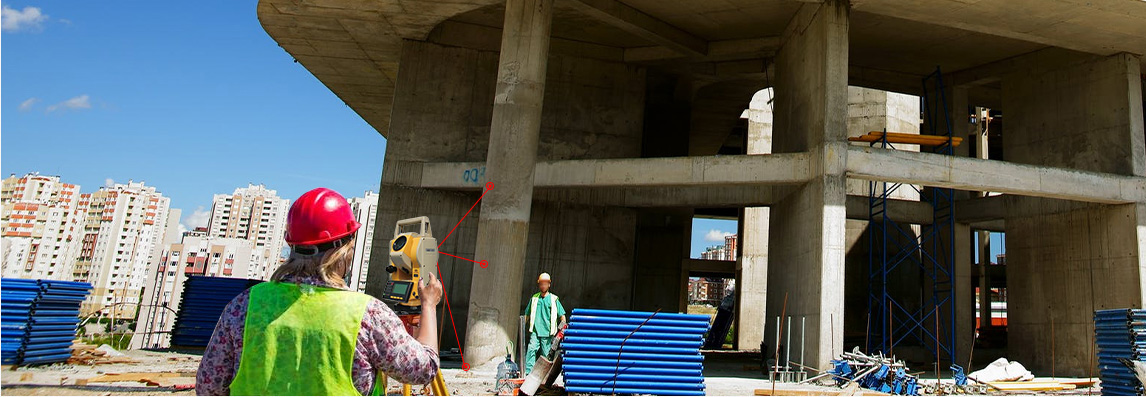
DADI project records document pipe jacking applications in Beijing, Chengdu and Suning, China. The recorded equipment includes BGD120L, BGD150L and DSD-3A models, used in projects involving 402 mm and 426 mm pipelines under sandy soil, loess and mudstone conditions.
Project Overview
| Application | Pipe jacking construction |
| Project Locations | Beijing, Chengdu and Suning, China |
| DADI Models | BGD120L, BGD150L and DSD-3A |
| Pipeline Diameters | 402 mm and 426 mm |
| Ground Conditions | Sandy soil, loess and mudstone |
What Do These Project Records Show?
The records show that DADI guidance equipment was used across several pipe jacking projects with different locations, pipe diameters and ground conditions. This provides field context beyond a product specification sheet because it connects specific equipment models with documented construction conditions.
Beijing, Chengdu and Suning provide three separate project references within China.
The documented projects involved 402 mm and 426 mm pipelines.
The available records identify sandy soil, loess and mudstone as project ground conditions.
Which DADI Models Were Used?
The recorded projects used BGD120L, BGD150L and DSD-3A equipment. The available project record confirms these model names in connection with the listed pipe jacking applications, but it does not assign every model to a specific location or pipe diameter.
What Pipeline Diameters Were Recorded?
The documented applications include pipeline diameters of 402 mm and 426 mm. Pipe diameter is one project parameter that should be considered together with alignment requirements, available installation space, ground conditions and the selected guidance method.
What Ground Conditions Were Recorded?
The available project records identify sandy soil, loess and mudstone. These conditions provide useful project context because trenchless construction planning depends on more than the guidance instrument alone. Ground conditions, pipeline geometry, construction method and alignment requirements all affect the overall project setup.
Evidence Scope
The available historical record confirms the project locations, DADI model names, pipeline diameters and ground conditions listed on this page.
The current record does not provide verified values for jacking length, laser working distance, measured alignment deviation, construction duration or final project accuracy. Those values are therefore not claimed here.
Why Are Historical Application Records Useful?
Historical project records help connect equipment models with real construction contexts. For contractors, distributors and engineering teams, this type of information can be used as a reference when discussing similar trenchless projects, while final equipment selection still depends on the technical requirements of the new project.
Frequently Asked Questions
What DADI equipment is listed in these pipe jacking records?
The records list BGD120L, BGD150L and DSD-3A models.
Where were the documented pipe jacking applications located?
The available records identify Beijing, Chengdu and Suning, China.
What pipe diameters and ground conditions are documented?
The documented pipe diameters are 402 mm and 426 mm, and the listed ground conditions are sandy soil, loess and mudstone.
Do these records include measured alignment accuracy or jacking distance?
No verified alignment-accuracy or jacking-distance values are included in the available record, so this page does not state them.
Explore DADI Trenchless Guidance
Learn more about DADI guidance equipment for pipe jacking and underground alignment applications.
View Trenchless Systems


